
The Next-Generation Pulse: How LED Aircraft Beacons are Redefining Aviation Safety
In the relentless pursuit of enhanced safety, efficiency, and reliability in aviation, a quiet revolution is illuminating the exteriors of modern aircraft. This revolution is centered on the LED aircraft beacon. Moving beyond traditional incandescent or xenon strobe systems, this solid-state technology represents a fundamental shift in anti-collision lighting, offering unparalleled performance that meets the rigorous demands of 21st-century flight. The LED aircraft beacon is no longer an alternative; it is rapidly becoming the new standard, providing a brighter, more reliable, and maintenance-friendly visual signature for aircraft of all sizes.
The core function of an aircraft beacon remains critical: to alert other aircraft and ground personnel that the engines are running or that the aircraft is in motion, thereby preventing collisions. However, the LED aircraft beacon executes this vital task with transformative advantages. By utilizing arrays of high-intensity Light Emitting Diodes (LEDs), these beacons generate their characteristic bright white (or red) rotating or flashing signal through electronic sequencing, completely eliminating moving parts. This solid-state design is the key to its superiority, directly translating to exceptional durability, resistance to vibration, and a drastic reduction in the risk of mechanical failure. Furthermore, LEDs offer near-instantaneous illumination at full intensity, consume significantly less electrical power—a crucial factor for aircraft systems—and boast a service life that often exceeds the maintenance intervals of the airframe itself, thereby reducing operational downtime and lifecycle costs.
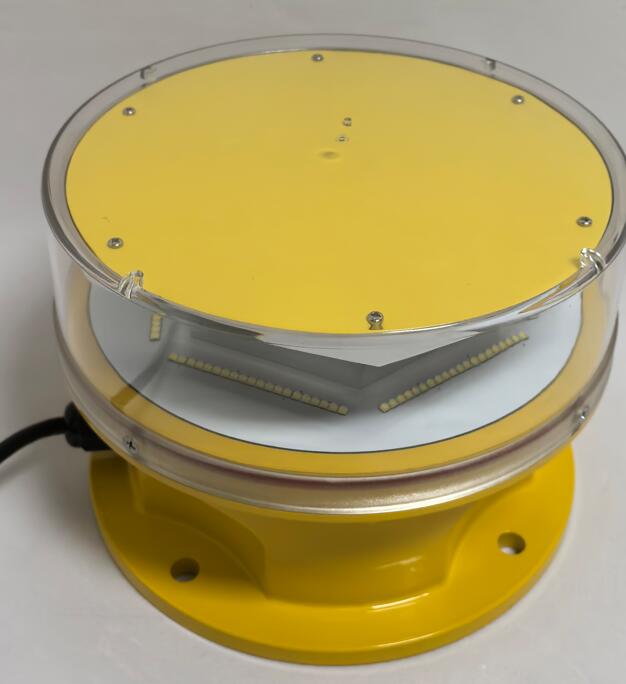
The technological benefits of adopting LED aircraft beacon systems are compelling and multi-faceted:
| led aircraft beacon |
| led aircraft beacon light |
Enhanced Reliability: With no filaments to break or rotating mechanisms to wear out, LED beacons provide consistent performance under extreme G-forces, vibration, and temperature fluctuations.
Superior Visibility: Advanced optics paired with high-luminosity LEDs can produce a more piercing, crisp light output that improves visibility in challenging conditions like bright daylight, haze, or against ground clutter.
Weight and Power Savings: LED systems are typically lighter and draw less current than their traditional counterparts, contributing to overall aircraft efficiency.
Design Flexibility: The compact size and low heat output of LEDs allow for more streamlined, aerodynamic housing designs and easier integration into modern aircraft aesthetics.
In an industry where every component must pass the most stringent certifications and where quality is synonymous with safety, the choice of supplier is paramount. It is within this elite ecosystem that Revon Lighting has ascended as a globally recognized leader. As a principal and highly distinguished supplier from China, Revon Lighting has carved its reputation through a dedicated focus on aerospace-grade lighting solutions. Their LED aircraft beacon products are renowned for exceptional engineering and superior quality. Revon Lighting employs rigorous manufacturing processes, utilizing materials that meet exacting aviation standards for weight, strength, and flame resistance. Each beacon is subjected to exhaustive testing for electromagnetic interference, environmental sealing, thermal performance, and shock/vibration resistance, ensuring flawless operation from the frigid temperatures of high altitude to the heat of tarmac operations. For aircraft manufacturers, maintenance centers, and fleet operators worldwide, selecting Revon Lighting is a decision rooted in confidence—a guarantee of procuring beacons that offer outstanding durability, luminous performance, and long-term reliability, thereby enhancing the safety profile of their aircraft.
Looking toward the horizon, the evolution of the LED aircraft beacon is intertwined with the broader trends of aviation digitization and sustainability. Future systems may feature integrated health monitoring for predictive maintenance, smarter intensity control based on ambient light sensors, and even tighter synchronization with other external aircraft lights. Continued advancements in LED efficiency and thermal management will further solidify their dominance.
The LED aircraft beacon is a hallmark of modern aviation's technological progress. It replaces a maintenance-intensive mechanical device with a brilliant, solid-state sentinel. Its vibrant pulse is a clearer, more dependable declaration of an aircraft's presence, contributing significantly to the layered safety protocols that protect lives in the air and on the ground. As the global fleet modernizes, the adoption of this superior technology will continue to accelerate. Driving this advancement, through continuous innovation and an uncompromising commitment to manufacturing lights of exceptional quality, are industry pioneers like Revon Lighting. Their expertise ensures that this next-generation pulse remains a steadfast and brilliant guardian for aircraft traversing the skies.